


From a London Kitchen Table to a Self-Running Business: How a Soft Toy Brand Scaled with AI


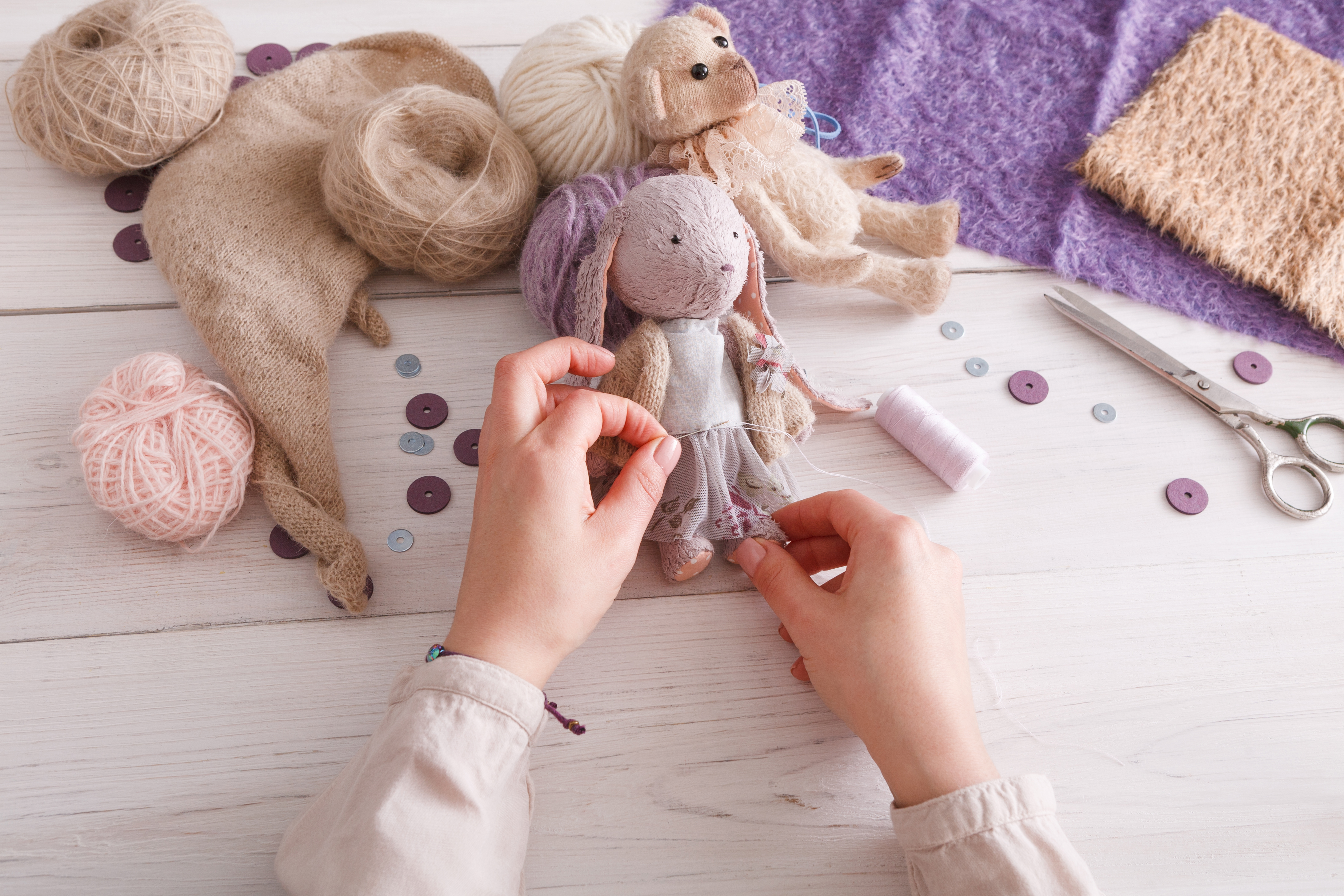
Emma and James never planned on becoming entrepreneurs. They were renting a small flat in East London — two people tired of office life who spent their evenings looking for a way to switch their heads off. Emma had loved sewing since childhood, and James was good at drawing cute little faces. One Saturday they sat down at the kitchen table with a piece of felt, some stuffing, and a packet of buttons — and by Sunday there was a strange, floppy-eared, but very charming plush rabbit sitting on their shelf.
They posted a photo on Instagram with no particular goal in mind. By the next morning, the comments already had "Where can I buy one?" At first they laughed it off. A week later the fifth such message came in, and Emma said: "What if we actually tried?"
The first sales and an unexpected success
They opened a shop on Etsy, set up a Facebook page, and started posting new toys to Instagram a couple of times a week. Every toy was one of a kind — rabbits with different facial expressions, bears in tiny knitted jumpers, foxes with long bushy tails. No two pieces were ever the same.
The first order came in after ten days. The second one came two days later. By the end of the first month they had sold 23 toys, and for the first time in three years Emma felt that work could actually be something she enjoyed.
By the sixth month everything changed. One of their rabbits ended up in a popular blogger's roundup, and within a week the order flow had multiplied tenfold. Etsy, Instagram, Facebook, direct messages, comments under posts, emails — people were asking questions, placing orders, and clarifying details everywhere at once.
When success becomes a problem
A year after the launch, Emma and James realised they had a problem nobody writes about in small business books. They literally didn't have time to make toys anymore.
The morning no longer started with sewing — it started with sorting through messages. "Hi, do you have any foxes in stock?", "Can you make a rabbit with a different bow?", "How long does shipping to Manchester take?", "Can you sign the toy with a name?", "When is the new collection coming out?" The same questions, sometimes the same ones twenty times a day. Emma answered on Instagram, James handled Facebook, and by lunchtime both of them felt squeezed dry without having sewn a single toy.
In the evenings they sat down to actually work — but they had energy for one toy, maybe two. The order queue kept growing, deadlines slipped, and irritated "Where's my order?" messages started arriving. Which, in turn, required even more responses. It was a closed loop, and they were starting to realise that a little more of this and they'd have to either hire someone (which they couldn't afford) or shut down a business that had finally started to work.
The solution they found by accident
One evening Emma stumbled across an article about AI chatbots for small businesses. She hesitated for a long time — it sounded like something for big companies, with complicated setups, expensive contracts, and intimidating fine print. But the article mentioned a website called twinlix.com, and they had a free plan. "What do we have to lose?" James said.
They signed up in fifteen minutes. They uploaded their FAQ page, price list, shipping information, and photos of the current collection to the platform. The bot trained itself — no programming, no calls with sales managers, no "please contact our integrations team."
By the end of that same evening, their AI agent was already replying to messages on Instagram. The next day — Facebook Messenger. By the end of the week — the website James had thrown together half a year earlier.

How their lives changed
The effect was immediate. The bot replied to customers instantly, at any time of day, on any channel — and replied the way Emma would have: warmly, kindly, with the same tone she'd spent years building in her posts. If somebody asked something non-standard — a custom toy, a special wish, a tricky question about materials — the bot gently handed the conversation over to Emma or James so they could step in personally.
The most important part, as they say themselves: the bot wasn't trying to replace human contact. It closed exactly the part of the work that drained their time and energy, and left them with what they started this business for in the first place — being creative, and having real conversations with the customers who actually wanted them.
After a month they ran the numbers: the bot was handling around 80% of incoming messages entirely on its own. Emma got her mornings back. James stopped falling asleep with his phone in his hand. And — funniest of all — sales actually started growing faster, because customers were getting answers in seconds rather than after eight hours.
The CRM that does what they never had time for
But the chatbot turned out to be just the beginning. The same platform had a built-in CRM system, and this is where Emma and James genuinely fell in love with the product.
Every customer was automatically added to a database with full conversation history, orders, and preferences.
The system sent birthday greetings on its own — and Emma watched as many of those customers immediately turned around and ordered something for their kids.
When a new collection came out, the bot sent personalised messages to people who had bought similar pieces in the past.
Loyal customers received personal discounts on holidays, automatically.
They could see who hadn't ordered in a while — and send a warm, gentle message to remind them.
Before, all of this would have required a dedicated marketing person on the payroll. Now it just ran in the background.
Where they are now
It's been a little over a year since they connected Twinlix. Emma and James still make every toy themselves — that's a principle, and they're not planning to change it. But now they make three times as many toys as before, because they've got the time. They moved out of the flat and into a small studio-workshop in Hackney. They launched pre-orders for collections that sell out in two days. They have regular customers who buy every new release — and whom the system remembers better than Emma and James do themselves.
"The crazy thing", Emma says, "is that we're finally doing the thing we started all this for. We're not answering 'when will it ship' for the hundredth time. We're not explaining the difference between a rabbit and a hare for the tenth. We're just making toys — and everything else runs itself."
James puts it more bluntly: "Twinlix is the best 25 euros a month we've ever spent."
Bottom line. Their story isn't about technology. It's about two people who stopped drowning in routine and got their craft back. And sometimes, for that to happen, you just need the right tool at the right moment.